Thursday, July 17, 2025

Love, Death & Robots Vol. 1 by various authors (2021)

Love, Death + Robots: Volume 1 (2021), curated by the Netflix series' creators, anthologizes science fiction stories exploring technology's collision with human experience. Standout contributions from Alastair Reynolds, Peter F. Hamilton, and Marko Kloos—many previously published—deliver sophisticated narratives marked by robust world-building and existential depth. These stories interrogate humanity's relationship with artificial intelligence and dystopian futures, offering incisive commentary through tightly crafted plots and vivid characters.

Conversely, newer stories disappoint, suffering from deficient world-building, incoherent plots, disjointed narrative flow, and shallow character development. This disparity fragments the anthology's coherence, diluting its intellectual impact. Exacerbating these flaws, the physical book's production is subpar: off-center typesetting, low-quality paper, and pervasive spelling errors reflect careless editing, undermining the reading experience for discerning readers.

Despite these deficiencies, the anthology's ambitious scope and provocative inquiries into mortality and innovation sustain its value. The stronger stories elevate it as a noteworthy, if uneven, contribution to speculative fiction. I enjoyed the book. 4/5 Stars.

Monday, July 14, 2025

Tales from the Starship Atlantis, various authors (2025)


This anthology of speculative fiction by various authors, probes near-future possibilities through a series of short stories. Despite the book's ambitious premise, its execution falters, delivering narratives that only sporadically engage the intellectually curious reader.

Several stories tantalize with imaginative extrapolations of technological and societal trends, offering glimpses into plausible futures. These moments, grounded in speculative rigor, shine as the collection's strength. However, the anthology's promise is undermined by pervasive flaws: magic systems lack coherence, character motivations appear arbitrary, and relentlessly bleak resolutions sap narrative satisfaction. The inconsistent plotting and underdeveloped storylines further diminish the book's impact, leaving readers yearning for deeper interpretive resonance.

While the anthology's conceptual ambition merits consideration, its uneven craftsmanship limits its appeal. Scholars and professionals seeking provocative ideas may find fleeting inspiration, but the collection's narrative weaknesses hinder sustained engagement. 2/5 stars

Titans of History by Simon Sebag Montefiore (2018)


Titans of History offers a collection of biographical sketches that examine individuals who profoundly shaped their eras' cultural, political, and intellectual landscapes. Montefiore's work implicitly endorses the "great man" theory, attributing historical shifts to the agency of singular figures—rulers, monarchs, artists, and influencers—whose ambitions and flaws reverberate through time. The book balances admiration for their humanist contributions with candid exposure of their darker traits, including megalomania and moral failings.

Notably, Montefiore explores the intense personal drives of these figures, particularly their sexual proclivities, which range from voracious appetites to unconventional expressions. This focus, while intriguing, occasionally overshadows broader ideological currents like humanism or Enlightenment thought, which receive only cursory attention. The book's strength lies in its vivid, concise portraits, though some sketches lack depth, rendering them less compelling.

As a biographical anthology, not a historical treatise, the book prioritizes personality over systemic analysis, limiting its interpretive scope. While engaging, the uneven quality of the sketches yields a mixed experience. 3/5 Stars.

Friday, June 27, 2025

visitors by Orson Scott Card (2015)


Visitors, the final volume of Orson Scott Card's Pathfinder trilogy, delivers a fast-paced, action-driven narrative that engages yet ultimately falls short of the first two volumes. Centered on Rigg and Umbo's time-shifting abilities, the novel prominently features the expendables—AI caretakers whose agency shapes ethical and temporal dilemmas in the colony world of Garden. These sentient machines raise compelling questions about autonomy and responsibility. However, an overcrowded cast, convoluted plot twists, and a magic system stretched to resolve conflicts too conveniently undermine the narrative.

The exploration of free will versus determinism, debated through the protagonists' manipulation of history, invites intellectual reflection. Yet, the didactic tone, marked by excessive ethical banter, weakens philosophical depth. Param's relegation to a secondary role diminishes the ensemble dynamic established in prior volumes. The resolution, though emotionally resonant, feels overly tidy, lacking the ambiguity suited to complex time-travel narratives.

"Visitors" offers thematic ambition but falters in coherence and nuance. Its strengths—action, ethical questions, and the expendables' pivotal role, make the book engaging. The resolution of the mysterious future disaster the characters are all trying to avoid is unsatisfying. And the treacly sweet falling action at the end is bad. 3/5 Stars.

Monday, June 23, 2025

Children of the Sky by Vernor Vinge (2011)

I did not enjoy this third and final novel as much as the first two; the story and characters are too dark, conniving, and evil.  3/5 Stars.

Monday, June 16, 2025

Source Code by Bill Gates (2025)


In Source Code, Bill Gates offers the first volume of his autobiography as he approaches his seventieth year. Readers familiar with Gates' previous writings—including his influential memos at Microsoft—will recognize his lucid, accessible prose and his penchant for self-reflection. Gates selectively recounts his ascent from precocious youth to global technology leader, providing a carefully curated narrative that highlights his achievements while omitting many of the more controversial episodes from his past.

Notably, Gates addresses his neurodivergent experiences and early personal struggles with a candor that is both surprising and illuminating, given the general reticence of public figures to disclose such details. However, the memoir largely avoids the legal disputes and missteps that complicated his early career. These omissions, while perhaps expected from a figure so attuned to his public image, result in a narrative that feels sanitized and at times one-sided.

Despite these limitations, Source Code offers valuable insights into Gates' perspective on the formative years of the software industry during the 1970s. The memoir is best approached as a personal account rather than a comprehensive history. Readers seeking a critical or exhaustive treatment of Gates' life and career will find the book lacking in depth and balance. Nevertheless, for those interested in Gates' self-portrayal and reflections on technological innovation, Source Code is a worthwhile read.    4/5 stars

Sunday, June 15, 2025

Auf Sand Gebaut von Stefan Heym (1998)


Stefan Heyms Auf Sand gebaut umfasst sieben Vignetten, die die gelebten Realitäten der Ostdeutschen in unmittelbarer Nähe des sowjetischen Zusammenbruchs und der nationalen Wiedervereinigung erfassen. Jede Erzählung fungiert als Mikrokosmos des breiteren gesellschaftlichen Umbruchs und beleuchtet die Unklarheiten, Widersprüche und Enttäuschungen, die diesen historischen Moment charakterisierten. Heyms Geschichten Vordergrund: Die Belastbarkeit und Anpassungsfähigkeit von Individuen, die durch die Erosion vertrauter Strukturen und die Entstehung neuer, oft desorientierter Paradigmen navigieren.

Die Prosa von Heym ist ungewollt und präzise und meidet Nostalgie zugunsten kritischer Beobachtung. Die Stärke der Sammlung liegt in ihrer Weigerung, einfache Vorsätze zu bieten. Stattdessen stellt Heym die anhaltenden Unsicherheiten und moralischen Unklarheiten vor, die das Leben auf instabilem Boden definieren. Der dauerhafte Wert des Buches für akademische und professionelle Leser liegt in seiner differenzierten Darstellung der systemischen Transformation-ein Bericht als relevant für Historiker und Soziologen in Bezug auf diejenigen, die sich für die Psychologie der Anpassung und die Soziologie postsozialistischer Gesellschaften interessieren.4/5 Sterne

Saturday, June 14, 2025

Ruins by Orson Scott Card (2013)


In Ruins, the second installment of Orson Scott Card's Pathfinder trilogy, Rigg's odyssey propels him through the multifaceted "Folds" of the planet Garden, culminating in encounters with the shipboard AIs that seeded human life. This narrative, dense with speculative world-building, probes temporal and spatial manipulation, resonating with engineers and scientists intrigued by systems theory and artificial intelligence. Card's integration of Lit-RPG elements—character progression via experience and magical artifacts—infuses a gamified structure that, despite my skepticism toward fantasy, captivates through its rigorous internal logic, appealing to analytical readers.

The character arcs, particularly Rigg's, evolve with psychological depth, navigating trust and agency within a deterministic universe, a theme historians and biologists in my audience may find compelling for its parallels to evolutionary and societal dynamics. The novel's brisk pacing and intricate plotting sustain momentum, setting an anticipatory stage for the trilogy's conclusion. Card's continued productivity enriches contemporary speculative fiction, delivering a work that merits top marks for its intellectual rigor and narrative drive. 5/5 Stars.

Der fremde Passagier 2 von Dominik A Meier (2023)


Das zweite Buch dieser zweiteiligen Reihe setzt das Abenteuer von William Kyle fort, dem unerschrockenen Schmuggler der Weltraumpiraten im Jahr 2197. Es ist noch schlimmer als das erste Buch.

Die Handlung setzt in eine dystopische Zukunft, in der die Erde die Herrschaft über das Sonnensystem an sich reißt. Die freien Kolonien fallen einer nach der anderen, und die Menschheit versinkt im Chaos, während eine mysteriöse Krankheit Millionen von Menschen dahinrafft.

Die Geschichte geht in den gleichen abgedroschenen, erfundenen Actionsequenzen wie im ersten Buch weiter, in denen William und seine Freunde jeder unmöglichen Situation nur knapp entkommen. Die letzten Chater winden sich zu einer bizarren, zufälligen, hirntoten Abfolge völlig unplausibler Ereignisse mit einem sehr deprimierenden, schrecklichen, aber sehr willkommenen Ende. Ich weiß nicht, warum ich weitergelesen habe. Absolut nicht zu empfehlen. 0/5 Sterne.

Friday, June 13, 2025

Drone Factories Behind Enemy Lines

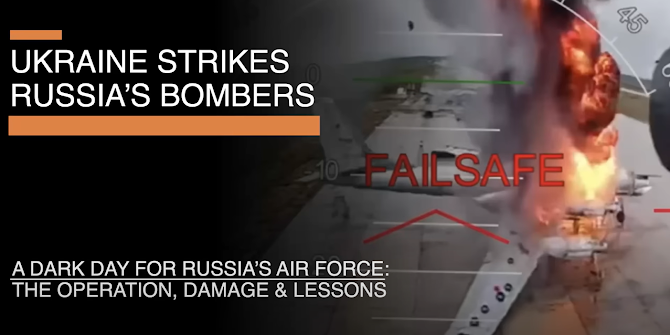
Ukraine created and remotely operated a weaponized drone factory inside Russia. Ukraine also contracted honest Russian freight companies to load and move trucks and later train cars containing autonomous self-deploying fleets of drones near Russian military targets.  A good analysis of the 20th century history of this type of asymmetric “behind enemy lines” tactic is here. And a great military economics and strategy analysis of the success of the operations is here.


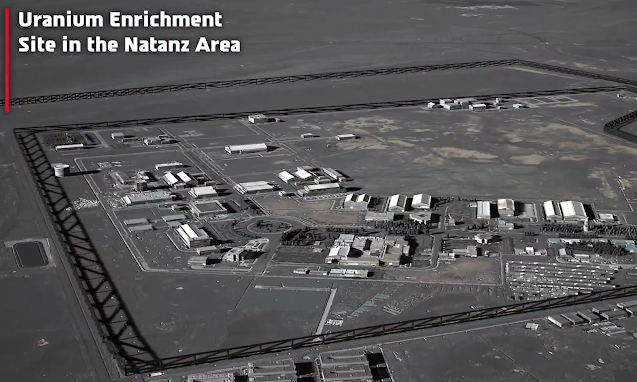
More recently, Israel created and remotely operated a weaponized drone assembly area as well as a missile assembly area inside Iran at a much longer distance (1,500 km).

Israel also coordinated suppression of enemy aerial defense (SEAD) with these vulnerable autonomous close-range weapon operations.


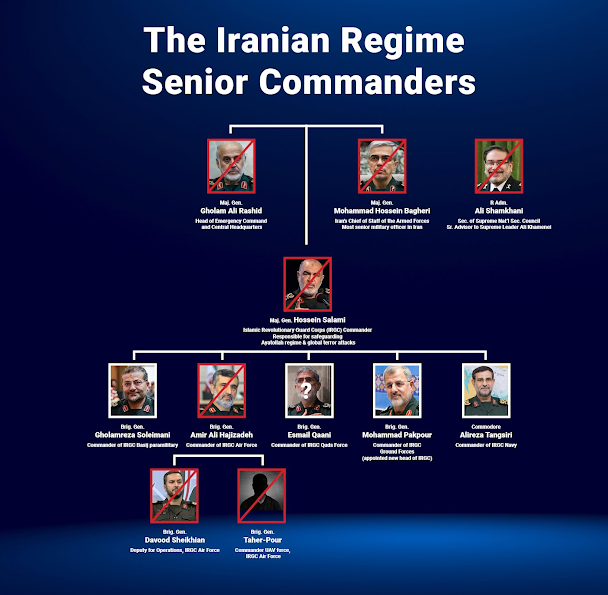
In addition, Israel targeted senior Iranian military leaders who were competent and successful at prosecuting their decades-long campaign to destroy Israel and murder all Israeli citizens. Iran has colonized much of Iraq, Syria, Lebanon, Gaza, and Yemen. Iran created powerful proxy armies in each of these areas. The Houthis in Yemen fought the US Navy to a stand-still (draw) and continue to keep Israelis in bomb shelters every day with their missile attacks. Hezbollah ruled Lebanon and had some success murdering Israelis with missiles; Hamas ruled Gaza, firing tens of thousands of rockets into Israel and murdering many Israelis. Hamas’ successful military invasion and massacre in October 2023 is another testament to the competence of these leaders in Iran.


I am curious about one particular aspect of these operations, namely the game theory, cognitive psychology, and longer-term strategy of the information each side in these conflicts releases as well as the timing of the information release.  Israel published the fact that some information released was intended to gather targeted leaders at the same location.


“We knew this would lead them to meet, but more importantly, we knew how to keep them there.”


So my question is, why would Israel publish this deception tactic?   Does Disclosing Manipulation Make Responses More Predictable or Manipulable?

Game Theory Perspective

In game theory, strategic interactions are modeled as games where players choose actions based on a payoff matrix that reflects the costs and benefits of their decisions. By publicly revealing their ability to manipulate and strike senior Iranian leaders, Israel effectively alters this matrix for Iran. The disclosure signals that Israel possesses superior intelligence and operational capacity, which Israel hopes will constrain Iran’s strategic options. For example, Iranian leaders might now prioritize protecting their remaining leadership, leading to defensive moves—such as dispersing key figures or fortifying command structures—that Israel could anticipate. If Iran perceives Israel’s capabilities as credible, their responses might become more predictable, as they react within a narrower set of choices designed to mitigate the revealed threat. However, if Iran suspects a bluff or seeks to challenge Israel’s resolve, they might opt for unpredictable counter-moves, complicating the outcome. Thus, game theory suggests predictability increases only if Iran’s leadership accepts the new strategic reality and adjusts rationally. Which AI models the psychology of the Iranian ruling counsel?

Military Strategy Perspective

Military strategy often employs deception, surprise, and psychological pressure to disrupt an adversary’s decision-making. Historically, targeting an enemy’s command structure—like Israel’s strike on senior leaders—aims to sow chaos and impair coordination. By disclosing this tactic, Israel may be engaging in psychological warfare, intending to demoralize Iran’s military and force its leaders into a reactive stance. If successful, this could lead to more cautious or standardized responses, such as adhering to established protocols, which are easier to predict. For instance, military doctrines often emphasize redundancy and pre-set contingency plans when leadership is threatened, potentially making Iran’s next steps more formulaic. However, this strategy risks backfiring if Iran interprets the disclosure as provocation and responds with unconventional or tactics intended to reduce predictability.
Psychological Perspective

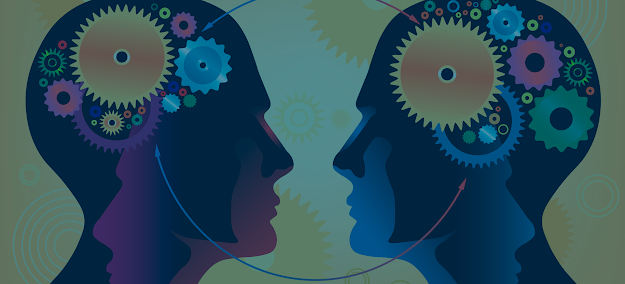
My intuition—that paranoid, angry individuals are less predictable than calm, rational ones—is supported by some psychological research, that links heightened emotional states to impulsive or erratic behavior. However, the Israeli military’s disclosure might rest on a newer psychological hypothesis: under extreme stress or fear, people can revert to instinctual, habitual, or risk-averse patterns, making their actions more foreseeable. For example, surviving Iranian leaders, now aware of Israel’s lethal manipulation, might experience heightened paranoia or a sense of vulnerability. Their reactions would lead them to centralize decision-making, executing predictable operations, or over-rely on familiar, existing strategies—all of which could simplify Israel’s ability to anticipate their moves. Additionally, the stress of knowing they were outmaneuvered might induce “analysis paralysis,” where overthinking limits Iran’s flexibility, inadvertently making their responses even more manipulable. While evidence isn’t definitive, studies on stress responses (e.g., in crisis decision-making) suggest that extreme pressure can sometimes narrow behavioral options, supporting the idea that disclosure could enhance predictability under specific conditions.

Other Advantages of Disclosing This Information

Beyond influencing predictability, Israel’s public statement offers a few strategic benefits:


Deterrence: By showcasing their ability to orchestrate events and eliminate key figures, Israel signals to Iran that further aggression could invite similarly devastating strikes. This raises the perceived cost of escalation, potentially deterring offensive actions.


Psychological Warfare: The disclosure could erode morale among Iran’s military leadership, fostering distrust or fear of internal leaks (e.g., how Israel knew where and when to strike). This psychological pressure might weaken Iran’s cohesion, giving Israel an edge.


Signaling Resolve: The statement demonstrates Israel’s willingness and capability to act decisively, which could bolster domestic support, reassure allies, or justify their operations to the international community.

Risks and Caveats

While these advantages are compelling, the disclosure carries risks. It might provoke Iran into retaliating aggressively, especially if leaders view their setback as a public humiliation. Alternatively, Iran could adapt by enhancing security measures for their leaders—such as avoiding predictable gatherings—making future strikes harder. The effectiveness of this strategy hinges on how Iran’s leadership interprets and reacts to the revelation.

Conclusion

There is no conclusive proof that disclosing intentional manipulation makes an enemy’s responses more predictable or manipulable, but principles from game theory, military strategy, and psychology suggest it’s plausible under certain conditions. Game theory indicates that revealing capabilities could limit Iran’s strategic options, military strategy highlights the potential for disruption and reactive behavior, and psychology posits that stress might constrain decision-making patterns. Alongside these effects, the disclosure serves broader goals like deterrence and psychological warfare, though it risks escalation or adaptation by Iran. Ultimately, the success of this approach depends on how Iran’s leaders process the new reality Israel has imposed.